2026 Top Stretch Fabric Innovations for Fashion and Functionality?
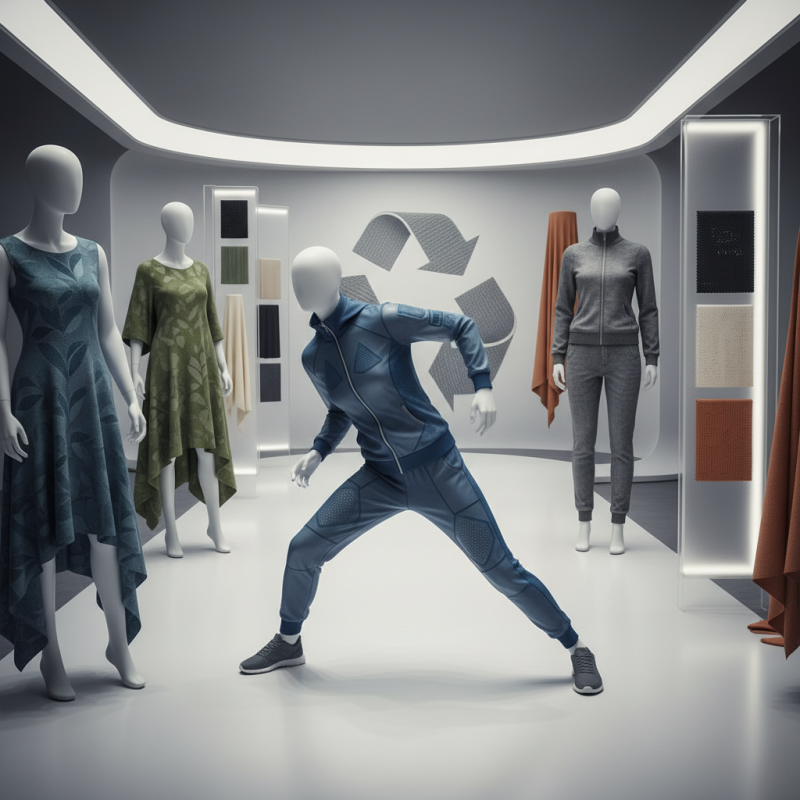
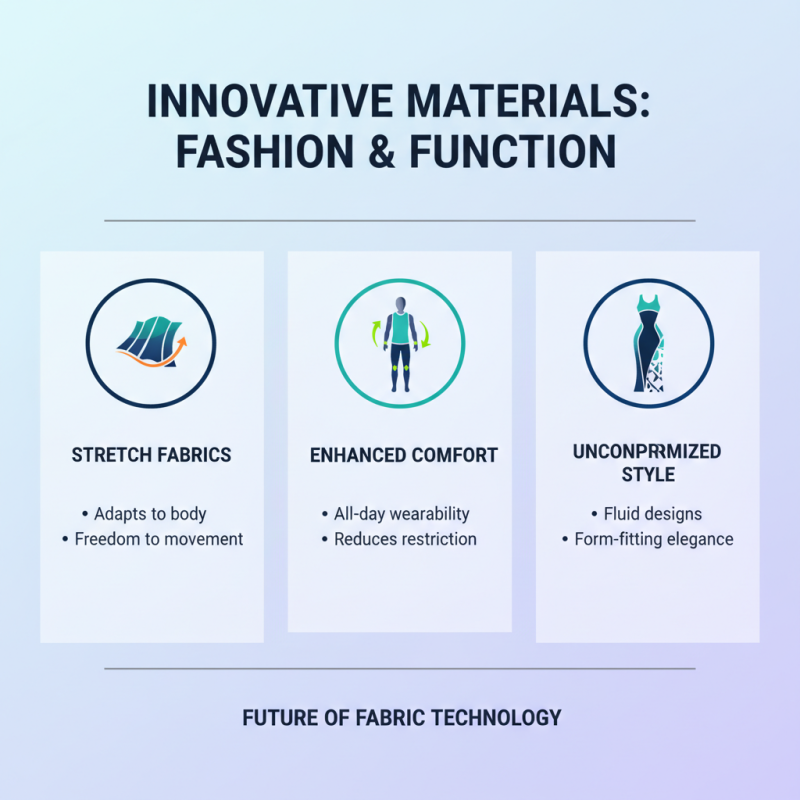
As we approach 2026, the world of fashion is evolving rapidly. Key to this evolution is "Stretch Fabric." This material is not just a trend; it blends comfort with style. Designers and consumers alike seek the perfect balance between functionality and aesthetics.
Innovations in stretch fabrics include breathable materials and eco-friendly options. These advancements cater to diverse body types and enhance mobility. However, the industry still grapples with issues such as sustainability and fabric longevity. While the appeal of stretch fabrics is clear, we must also consider their environmental impact.
As we explore these top innovations, critical questions arise. Are we prioritizing fashion over durability? How do we ensure these fabrics remain reliable in the long run? Ultimately, the future of stretch fabric will depend on our commitment to both style and responsibility.
Emerging Trends in Stretch Fabric Technologies for 2026
As we look towards 2026, innovations in stretch fabric technologies are set to transform both fashion and functionality. Recent reports indicate that the stretch fabric market is projected to grow significantly, driven by advancements in textile engineering and consumer demand for comfort. Fabrics that combine elastane with other fibers are becoming more prevalent, allowing for improved fit and flexibility. The integration of moisture-wicking and breathable materials enhances performance, catering to the active lifestyle of today's consumers.
Tips: Consider the elongation and recovery properties of fabrics. These are crucial for garments that require durability alongside comfort. Also, look for sustainable options that utilize eco-friendly materials, as the industry trends indicate a strong shift towards sustainability.
The demand for multifunctional fabrics is rising. Consumers desire clothing that adapts to various scenarios, such as work, leisure, and fitness. Innovations such as 3D knitting technologies enable the creation of seamless garments, reducing waste and enhancing comfort. However, not all advancements come without challenges. The balance between stretchability and fabric longevity is delicate. Manufacturers must innovate thoughtfully to ensure their products meet consumer expectations without sacrificing quality.
Tips: Evaluate the stretch ratio when choosing materials. Too much stretch can lead to quick deterioration. Regular assessments of fabric performance can guide future design choices and ensure long-lasting wear.
Key Features of Next-Gen Stretch Fabrics in Apparel Design
The next generation of stretch fabrics is transforming apparel design. Many of these fabrics feature advanced technologies that improve flexibility and comfort. They are designed for active lifestyles. Innovations allow for better moisture-wicking, enhancing breathability during workouts. Designers are now focusing on how these materials respond to movement.
Key features include enhanced durability and recovery. This means the fabric retains its shape after wear. Spandex blends are popular, providing an excellent range of motion. Some fabrics even offer thermal regulation, keeping the wearer cool or warm as needed. Consumers appreciate these functional aspects, yet there are imperfections. Sometimes, the fabric's stretch can lead to sagging over time.
Sustainability is another challenge. Many stretch fabrics still depend on synthetic materials. This raises questions about environmental impact. While advancements are commendable, a balance must be found. The quest for perfect stretch is ongoing. Designers and manufacturers must continually adapt to meet consumer demands while being mindful of sustainability.
2026 Top Stretch Fabric Innovations for Fashion and Functionality
| Fabric Type |
Key Features |
Applications |
Sustainability Aspect |
| Bio-Stretch Nylon |
Enhanced stretch recovery, moisture-wicking |
Sportswear, swimwear |
Made from renewable resources |
| Cooling Spandex Blend |
Temperature control, odor-resistant |
Athletic wear, casual clothing |
Recycled fabric components |
| Shape-Memory Fabric |
Retains shape, offers adaptive fit |
Everyday clothing, outerwear |
Utilizes biodegradable fibers |
| 4D Stretch Polyester |
Multi-directional stretch, lightweight |
Activewear, travel apparel |
Sustainable production methods |
| Smart Stretch Fabric |
Integrated sensor technology |
Fitness tracking apparel |
Eco-friendly processing |
Sustainability Practices in Stretch Fabric Development
The fashion industry is increasingly focusing on sustainability, especially in stretch fabric development. Innovations now target not only comfort and versatility but also eco-friendliness. Fabrics made from recycled materials or organic sources are becoming the norm. This change reflects a growing awareness of environmental impact. Brands are seeking to reduce their carbon footprint through better practices.
One area of improvement is the production process. It is essential for manufacturers to minimize water use and toxic chemicals. Implementing closed-loop systems can significantly reduce waste. Yet, challenges remain. The balance between performance and sustainability is tricky. Many fabrics that perform well often rely on non-biodegradable materials.
Tips: When choosing stretch fabrics, look for certifications that ensure sustainable practices. Educating yourself about the sourcing of materials can make a difference. Additionally, consider the lifecycle of the fabric. Make choices that encourage circular fashion. Investing in quality now can reduce waste in the future.
Impact of Stretch Fabrics on Performance Wear and Active Fashion
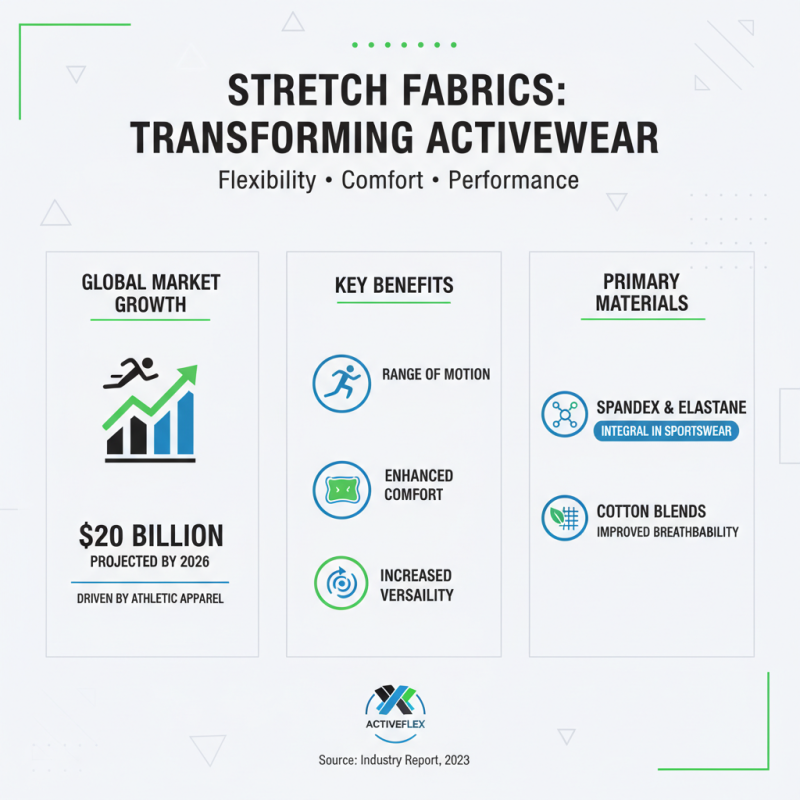
The rise of stretch fabrics has dramatically transformed the landscape of performance wear and active fashion. According to a recent industry report, the global market for stretch fabrics is projected to reach $20 billion by 2026, driven by increasing demand in athletic apparel. These fabrics combine flexibility with comfort, allowing for a wide range of motion during physical activities. In particular, materials like spandex and elastane are becoming integral in sportswear. A blend of cotton and synthetic fibers also enhances breathability, making garments more versatile.
Tip: When selecting activewear, focus on fabric compositions that offer both stretch and breathability. Look for items labeled with a high percentage of spandex, but beware that too much can lead to durability issues over time.
Moreover, consumer preferences are shifting toward garments that not only perform well but are also stylish. This trend is supported by data showing that 70% of consumers prioritize aesthetics as much as functionality in sportswear. However, the continuous quest for the ideal blend of comfort, durability, and style can lead to oversights in fabric quality. These compromises may result in quicker wear and reduced lifespan of the clothing.
Tip: Consider investing in high-quality pieces that may have a higher initial cost. They can ultimately save money and reduce waste by lasting longer. Choose wisely to strike a balance between performance and sustainability.