Top 10 Yoga Fabric Types in China for Your Perfect Practice?
In recent years, the demand for high-quality Yoga Fabric in China has surged. This increase is largely driven by the growing popularity of yoga and mindfulness practices. Leading expert in textile technology, Dr. Li Wei, emphasizes, “The right fabric can enhance your yoga experience significantly.” Choosing the best material is essential, as it impacts comfort and flexibility during practice.
Yoga Fabric types vary widely, each offering unique benefits. For instance, some materials provide moisture-wicking properties, keeping practitioners dry. Others focus on stretchability, allowing for dynamic movements. However, not all fabrics labeled as yoga-friendly truly deliver what they promise. It’s crucial to discern which types suit your specific needs.
In this exploration of the top ten yoga fabric types in China, we will highlight their advantages and shortcomings. Awareness of these aspects can help you make informed choices. Remember, even the finest fabric may not suit every individual. The journey to find the perfect yoga fabric is personal and requires thoughtful consideration.
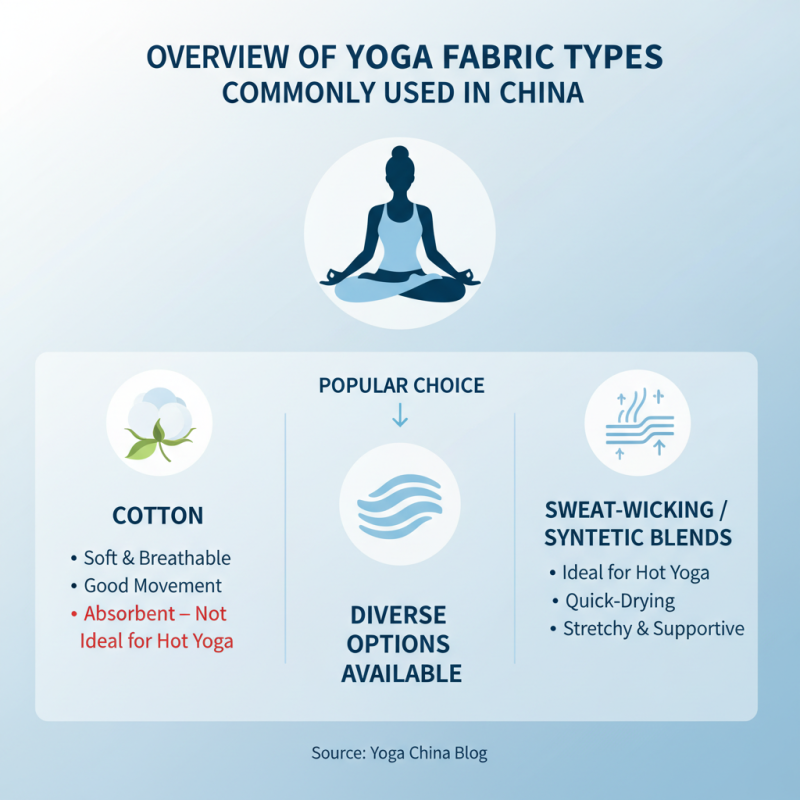
Overview of Yoga Fabric Types Commonly Used in China
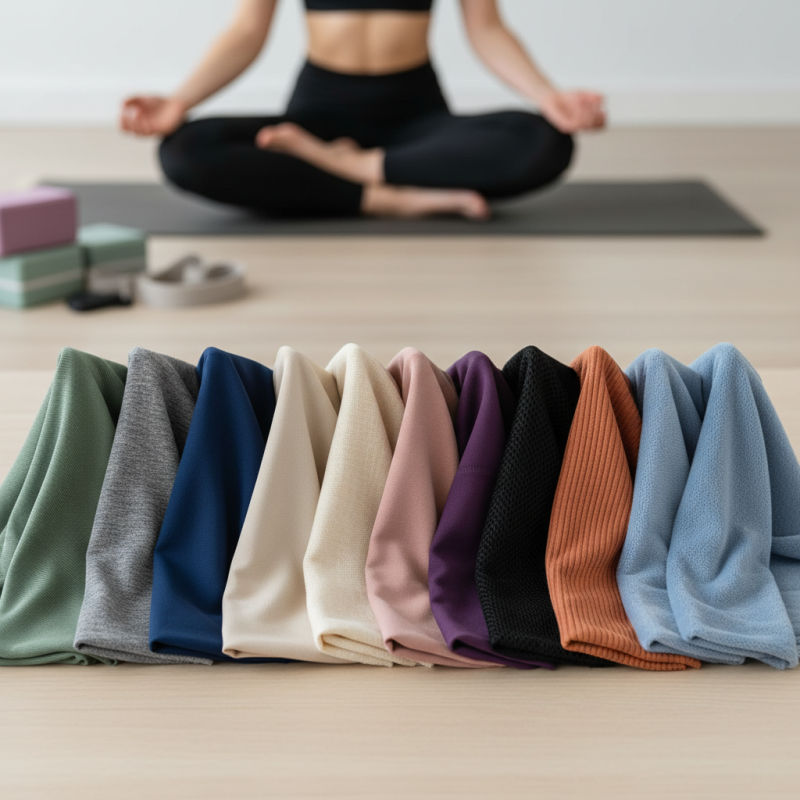
In China, yoga practitioners have a diverse range of fabric options for their practice. Cotton is a popular choice. It's soft, breathable, and allows for good movement. However, it may not be the best option for hot yoga due to its absorbent nature. Many find that regular cotton can become heavy with sweat.
Another commonly used fabric is polyester. This synthetic material is known for its durability and moisture-wicking properties. It dries quickly and keeps the body cool during intense sessions. Yet, some practitioners may feel it lacks the natural feel of cotton. Blends of cotton and polyester combine the benefits of both fabrics, but finding the right blend can be a challenge.
Nylon is also favored for its stretchability and lightweight feel. It allows freedom of movement and is often used in leggings. While nylon is comfortable, it can be less breathable. This means it's essential to choose wisely based on personal preferences. The fabric choice can significantly affect a practitioner’s experience on the mat. gg
Cotton Fabrics: Breathability and Comfort for Yoga Practitioners
Cotton fabrics have long been a favorite among yoga practitioners. Their natural fibers provide breathability, making movements smooth and comfortable. As you flow through poses, the softness of cotton against your skin feels soothing. This fabric allows air circulation, which helps in temperature regulation. Such features are essential for both intense practices and gentle sessions.
However, not all cotton is created equal. Some varieties might shrink after washing or lose their vibrant colors over time. It’s crucial to consider the quality of cotton when choosing yoga wear. Many practitioners find that high-quality cotton offers better durability and retains its shape well. Nonetheless, it’s important to be mindful of your fabric choices. Choosing a blend might offer more stretch or support, but it could sacrifice breathability.
Moreover, while cotton is comfortable, it can absorb moisture. For sweat-prone sessions, this may be something to reflect upon. Staying dry is key for an uninterrupted practice. Weighing the pros and cons of cotton versus other materials can lead to better decisions in your yoga journey. Ultimately, finding the right fabric for your unique practice is a personal exploration.
Polyester Blends: Durability and Stretch for Active Movements
When it comes to yoga practice, the fabric you choose can make a big difference. Polyester blends stand out as a popular choice among yoga practitioners. These materials offer remarkable durability, ensuring they can withstand the wear and tear of intense workouts. The fibers used are designed to stretch, allowing for unrestricted movement in various poses. This flexibility is crucial for maintaining comfort and balance during practice.
Moreover, polyester blends are known for their moisture-wicking properties. They draw sweat away from the skin, keeping you dry and comfortable. However, not all polyester fabrics are created equal. Some might feel rough against the skin, or lack breathability. It’s essential to test different options to find what suits you best. Consider factors like thickness and texture, as they impact your overall experience.
While polyester blends offer many benefits, they also have drawbacks. Some may find them less eco-friendly than natural materials. Reflecting on the long-term impact of your choices is valuable. Finding a balance between performance and sustainability can enhance your practice. Embrace the journey of discovering the perfect fabric tailored to your unique needs.
Bamboo Fabric: Eco-Friendly Choice with Natural Antimicrobial Properties
Bamboo fabric stands out as an eco-friendly choice in yoga wear. This material is derived from one of the fastest-growing plants on Earth. Its sustainability appeals to many mindful practitioners. Bamboo is not only soft and breathable, but it also has natural antimicrobial properties. This means it helps reduce odors, allowing for a more pleasant practice.
The production process of bamboo fabric can sometimes be challenging. While it is more sustainable than cotton, not all bamboo textiles are created equal. Some methods involve harsh chemicals that can counteract the eco-friendly appeal. It's essential to choose bamboo fabric that adheres to environmentally friendly practices. Understanding the source of the fabric can enhance both your yoga experience and commitment to sustainability.
Incorporating bamboo fabric into your practice may elevate your comfort. However, consider that individual experiences may vary. Some practitioners find it less durable than synthetic materials. It’s crucial to reflect on what suits your needs best. The perfect yoga fabric balances comfort, practicality, and environmental impact.
Top 10 Yoga Fabric Types in China for Your Perfect Practice
Nylon: Lightweight and Moisture-Wicking Materials for Hot Yoga
Nylon is a popular choice for yoga attire, especially for hot yoga practices. This lightweight material offers excellent breathability, making it ideal for sweaty sessions. Many practitioners appreciate how nylon fabric quickly wicks moisture away from the skin. This feature keeps you dry and comfortable during intense workouts.
The flexibility of nylon allows for a full range of motion. You can stretch and twist without feeling restricted. However, not all nylon fabrics are the same. Some may lose their shape over time or become less effective at moisture-wicking. It’s essential to consider this when investing in your yoga wardrobe.
Choosing the right fabric can greatly impact your practice. While nylon is a great option, think about how it feels against your skin. You might find that some blends perform better than others. Reflect on your experiences in different yoga classes to identify what works best for you.